
Wander Together Beside Still Waters

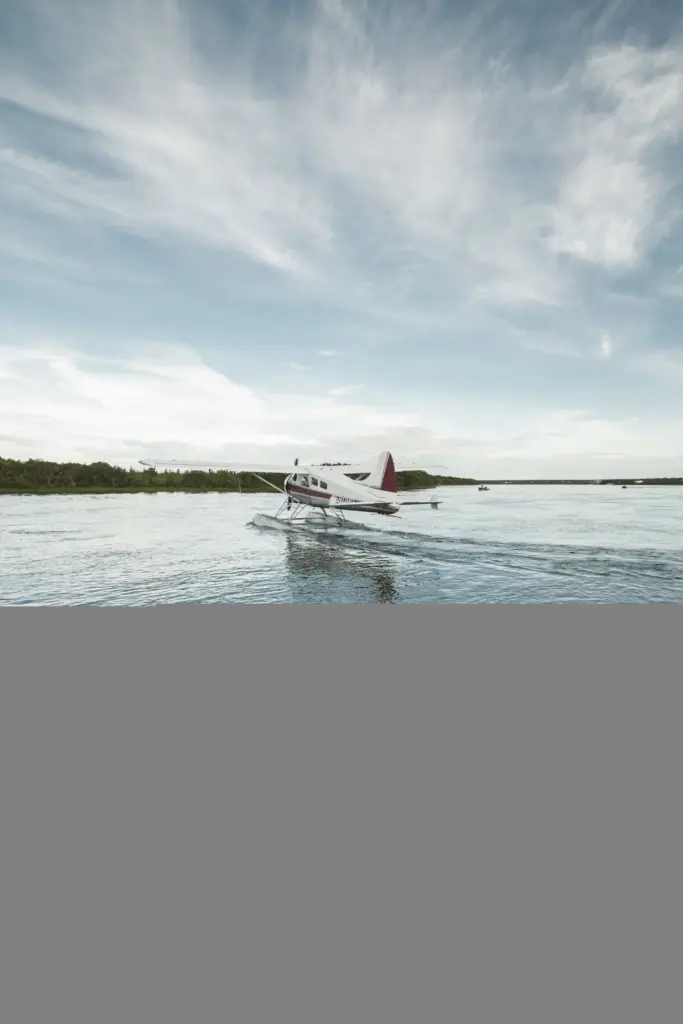
Bring the family into a slower rhythm where paths hug the shoreline, bells echo across coves, and every journey happens on foot or by boat. Today we explore family itineraries for pedestrian-only lakeside villages, celebrating stroller-friendly promenades, gentle trails, ferries, and car-free piazzas that invite conversation. Expect practical tips, real stories, and adaptable day plans that balance curiosity with rest, helping you savor gelato, sunsets, and playful discoveries without traffic noise, rushing schedules, or the stress of parking.

Arriving Light and Moving Freely

Connections by Rail and Ferry

Match timetables with nap windows, and plan an extra buffer for curious pauses at station bakeries or pierside ducks. Many lakeside hamlets connect beautifully by regional trains feeding short ferries, transforming transfers into scenery. Split responsibilities: one adult watches luggage while another scouts platform elevators. Screenshot schedules, because cell service can fade along coves. Celebrate arrivals with a tiny ritual, like a first-family-photo by the pier, anchoring memories to the moment you stepped into slower time.

Strollers, Carriers, and Little Legs

Match timetables with nap windows, and plan an extra buffer for curious pauses at station bakeries or pierside ducks. Many lakeside hamlets connect beautifully by regional trains feeding short ferries, transforming transfers into scenery. Split responsibilities: one adult watches luggage while another scouts platform elevators. Screenshot schedules, because cell service can fade along coves. Celebrate arrivals with a tiny ritual, like a first-family-photo by the pier, anchoring memories to the moment you stepped into slower time.

Check-In Timing and Bag Drop Tactics

Match timetables with nap windows, and plan an extra buffer for curious pauses at station bakeries or pierside ducks. Many lakeside hamlets connect beautifully by regional trains feeding short ferries, transforming transfers into scenery. Split responsibilities: one adult watches luggage while another scouts platform elevators. Screenshot schedules, because cell service can fade along coves. Celebrate arrivals with a tiny ritual, like a first-family-photo by the pier, anchoring memories to the moment you stepped into slower time.

Day One: Shores, Gelato, and Settling In
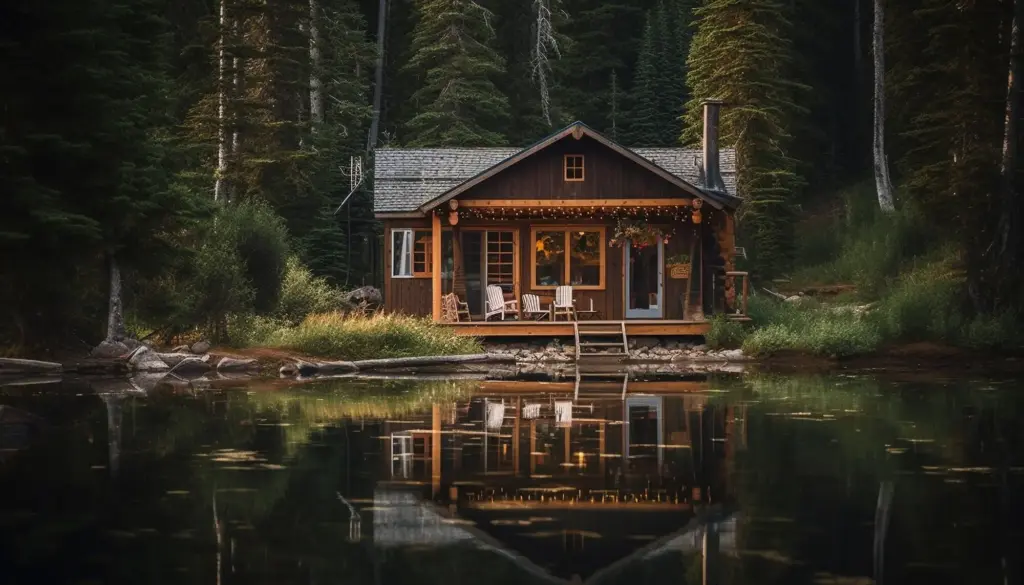
Start with a slow shoreline promenade, counting boats and waving at ferry crews. Pause for gelato or warm pastries, then tour the piazza fountain, letting kids toss a coin and wish for tomorrow’s adventure. Visit the tiny grocer for picnic staples, learning a few local words—please, thank you, good morning. Stop at a small playground if you spot one, and cap the evening with sunset reflections, sketching the bay while telling each other one favorite discovery from this gentle first day.

Day Two: Hillside Paths and Boat Hops

After breakfast, ride a short ferry to a neighboring quay, turning the crossing into a moving viewpoint. Choose a modest hillside path with bird calls and overlooks, letting children lead with a safe distance rule. Picnic at a shaded bench with bread, cheese, and fruit, then descend for a paddleboat rental or lakeshore wading spot. If energy fades, swap planned museum time for story sharing at the marina. Return by golden hour, collecting reflected colors and easy laughter along the way.

Day Three: Markets, Crafts, and Farewell Views
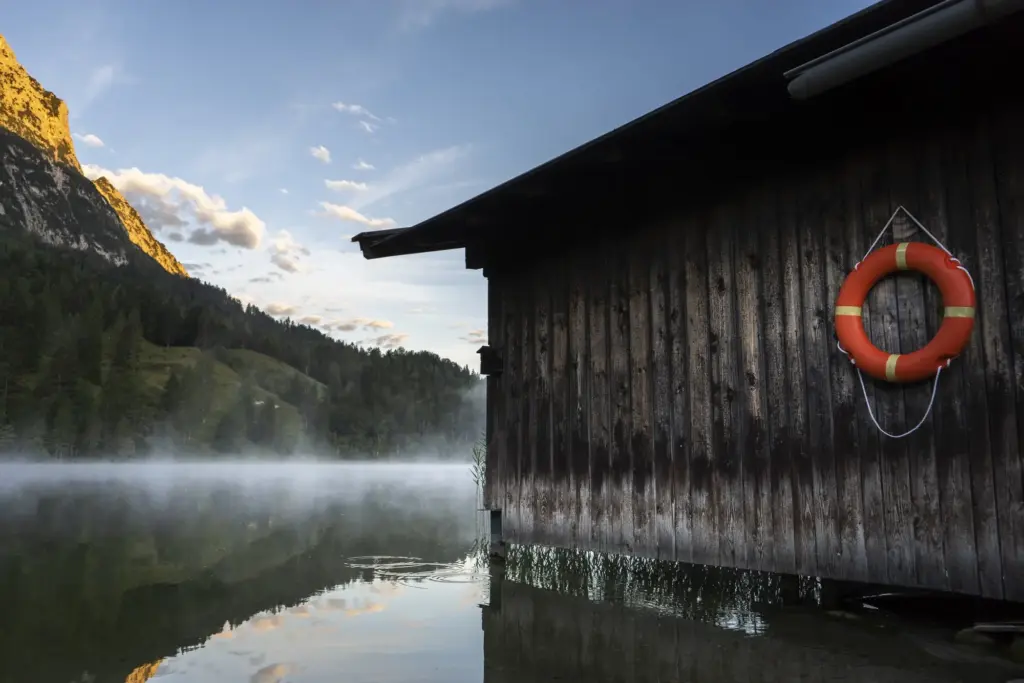
Embrace the morning market’s bustle: taste cherries, sniff herbs, and let kids pick a picnic surprise. Seek a craft studio where a local artisan explains boatbuilding, cheese-aging, or lacework, gifting fresh context to things you saw outside. Leave space for last-minute favorites—a café bench, a church bell count, an old stone stair. Close with a short lookback walk, naming shared highlights and one lesson learned, sealing the memory before trains, ferries, and horizons call you onward again.

Playful Learning Along the Shore

Curiosity thrives when water is near. Transform promenades into open-air classrooms where ripples teach rhythm, reeds shelter insects, and stonework tells centuries of stories. Families can weave micro-quests into any stroll: colors to spot, birds to list, arches to count. Offer children simple tools—a magnifier, notebook, and kind questions. Emphasize wonder over answers. When a fisherman mends nets or a baker powders tarts, small conversations become unforgettable lessons connecting taste, craft, patience, and place in delightful, lasting ways.

Food Rituals That Keep Energy Bright

{{SECTION_SUBTITLE}}
Picnic Baskets With a Sense of Place
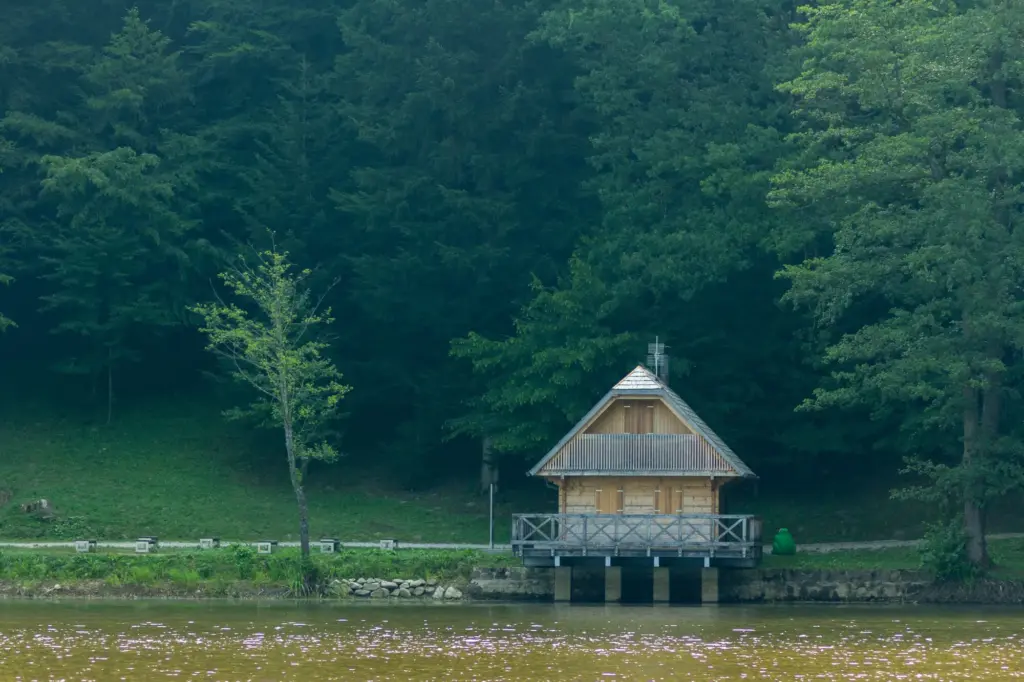
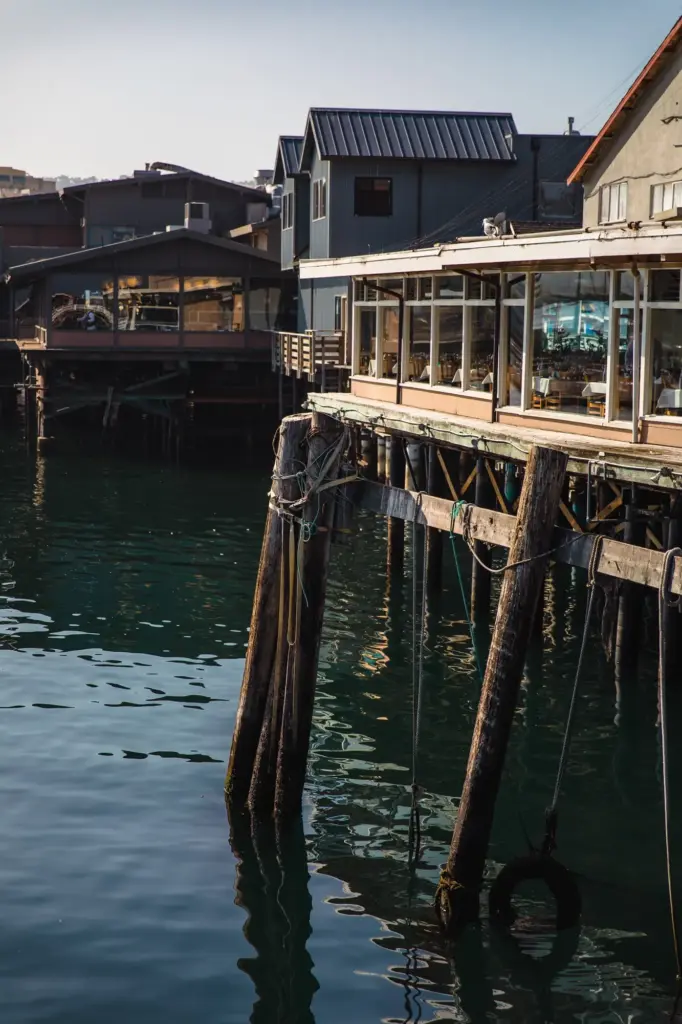
Shop like neighbors: bread still warm, seasonal fruit, cured slices, and a spreadable surprise recommended by the merchant who remembers your smile. Pack a lightweight cloth that doubles as sunshade. Include a tiny spice tin—cinnamon for apples, flaky salt for tomatoes—to elevate simple fare. Choose a viewpoint where birds visit. Invite kids to compose the layout, then identify each food’s origin. When everyone helps, the meal becomes a story, nourishing bodies and weaving family agency into lakeside memory.

Kid-Approved Lakeside Cafés

Scan menus for adaptable dishes, requesting plain pasta, grilled vegetables, or cheese plates when palates prefer gentle flavors. Sit slightly off peak times so staff can chat, suggest favorites, and share anecdotes about morning deliveries. Reward adventurous tastes with a celebratory toast of sparkling water and a view-checking game. Rotate seats so each child enjoys the best angle once. Leave a thank-you note with a drawn boat, creating rapport that turns a casual lunch into a cherished exchange.

Safety, Comfort, and Pace for All Ages

Confidence grows where preparation meets kindness. Car-free lanes reduce traffic risk, yet water edges, stone steps, and changing weather ask attentive habits. Establish buddy rules, regrouping points, and a pocket-size contact card for each child. Pack layers, brimmed hats, and spare socks to turn surprises into solvable puzzles. Practice gentle pacing that honors energy dips, swapping steep detours for storytelling breaks. By modeling calm problem-solving, you teach resilience, allowing lakeside days to remain bright, grounded, and wonderfully playful.

Waterfront Awareness Without Anxiety

Set clear boundaries using landmarks, like the third lamppost or the bench by the red boat. Demonstrate safe distances at the edge, showing how to kneel for stone-skipping. Celebrate caution as wisdom, not fear. Keep a tiny towel and spare shirt ready for splashes that wander. Teach a family whistle pattern and practice regrouping. When everyone understands reasons behind rules, the shoreline becomes a trusted classroom where curiosity can flourish while respect for water remains steady, confident, and calm.

Weather-Smart Layers and Footwear

Lakes invite shifting breezes, so prioritize breathable base layers, a light insulating piece, and a compact shell. Shoes should flex for cobbles yet grip damp boards; swap laces for simple closures children manage alone. Sun hats, sunglasses, and mineral sunscreen guard patience as much as skin. Commit to quick adjustments: remove a layer at the first warm sign, add socks when shadows lengthen. The more comfortable feet and shoulders feel, the longer delight lasts on every winding path.

When Plans Shift: Flex Windows and Exits

Design itineraries with intentional gaps labeled explore, rest, or weather call, treating flexibility as a feature. Mark shortcut alleys, alternative ferry times, and indoor refuges like chapels or bookshops. Teach children how to voice a pause request without stigma. If drizzle arrives, pivot to a pastry lesson; if energy spikes, extend the promenade. Close the day by naming one choice that improved comfort. Practiced adaptability turns surprises into shared victories, strengthening confidence for tomorrow’s wide, welcoming shoreline.

Connecting With Communities You Visit

Meaning deepens when you meet people who keep boats afloat, ovens warm, and festivals alive. Learn names, greet shopkeepers, and linger respectfully at workbenches where crafts continue. Try a short workshop, buy with intention, and ask for recipes that taste like the lake’s air. Children notice kindness first; follow their lead. Share stories back home, crediting makers. When travel becomes a conversation, you leave not footprints but friendships, carrying forward small practices that honor place long after departures.

Small Courtesies With Big Impact

A warm hello in the local language, patient queuing on narrow lanes, and quiet voices near windows change everything. Encourage kids to hold doors, return café glasses, and thank ferry crews. Choose tap water refills where welcomed. Wear modest attire near worship spaces. Ask before photographing people or private docks. These gestures protect tranquility in pedestrian areas and invite genuine smiles, proving that thoughtful visitors help sustain the very atmosphere they came to enjoy beside gentle, sheltering waters.

Hands-On Workshops and Encounters

Seek small-group moments: knot-tying with a mariner, watercoloring the bay with an artist, or tasting local cheeses beside aging wheels. Let children handle safe tools, then sign their initials on practice pieces. Pay fairly and arrive on time. Ask craftspeople about their mentors, rituals, and seasons. Connections forged over shared skills outlast souvenirs, guiding future choices toward quality and care. When a baker shows a flaky fold and winks, the morning becomes a story your family will retell for years.


Pentofexolentoviroloripexi
Privacy Overview

This website uses cookies so that we can provide you with the best user experience possible. Cookie information is stored in your browser and performs functions such as recognising you when you return to our website and helping our team to understand which sections of the website you find most interesting and useful.